


A Container Yard (CY) is a designated facility within a port, inland terminal, or logistics hub where shipping containers are stored, received, and delivered. It serves as a crucial link in the containerized supply chain, acting as the handover point between carriers, freight forwarders, and shippers.
Storage
Empty containers waiting to be used for export
Full containers awaiting vessel loading or post-arrival pickup
Container Handling
Loading/unloading between trucks, trains, and vessels
Use of gantry cranes, reach stackers, and forklifts
Customs and Inspection
Containers may be held for inspection, scanning, or clearance before onward transport
Handover Point
In Incoterms like CY-CY (Container Yard to Container Yard), the CY is where responsibility for the container is transferred from one party to another
Export Process: Shippers deliver full containers (FCL) to the CY at the port of departure, where they are stored until vessel loading.
Import Process: On arrival, containers are discharged to the CY, where they are held until the consignee (or their trucker/freight forwarder) arranges pickup.
CY-CY Shipment: The carrier’s responsibility starts and ends at the container yard (export yard in China → import yard in destination country).
CY-CFS: Cargo is picked up from the yard but unpacked at a Container Freight Station (CFS) for LCL shipments.
Free Days at CY: Ports often allow a certain number of free storage days before demurrage or detention fees apply.
Cost Control: Mismanaging container pickup can lead to demurrage charges.
Efficiency: Proper scheduling at CY reduces truck waiting times and port congestion.
Risk Management: Knowing CY rules and cut-off times ensures compliance and avoids shipment delays.
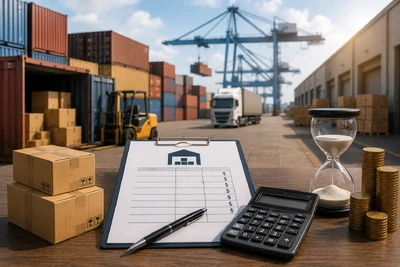 What Are Storage Charges?June 26, 2026Storage charges are fees applied when cargo, containers, or goods remain at a port, terminal, warehouse, or logistics facility beyond the allowed free storage period.In shipping, storage charges usual...view
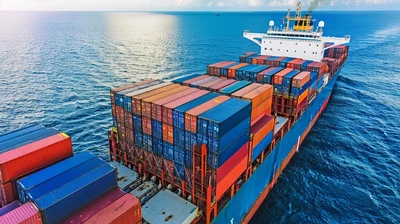 Best 10 China Wholesale Websites That You Should Know AboutMay 30, 2025Why Source from China?China has long been recognized as the world's manufacturing hub, offering a vast array of products at competitive prices. For businesses looking to source products in bulk, China...view
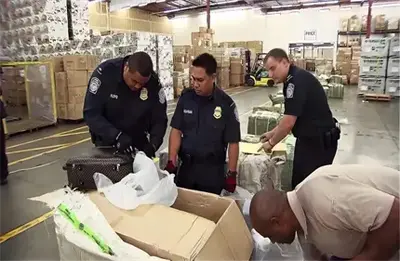 Shipping warning! U.S. Customs strictly inspects these goods, making these goods the hardest hit areaApril 27, 2024Since April, the U.S. customs inspection rate has surged. This change has aroused deep concern among international traders.What causes the customs inspection rate to soar? It is understood that the im...view
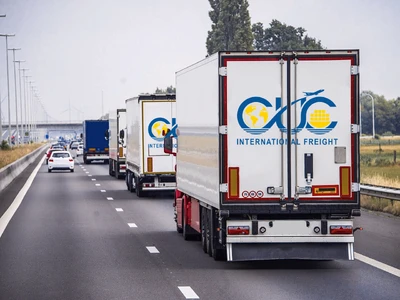 Freight Discount OffersMarch 27, 2025Freight Discount Offers: Save Up to 35% on China Shipping & Global LogisticsMaximize Your Cargo Budget with Bulk Rates, Seasonal Deals & Long-Term Partnerships“Did you know? Businesses shippi...view
 English
  português
  Call us on:
  Email Us:
  International Mayors Exchange Center, No. 55 Shizhou Middle Rd, Nanshan District, Shenzhen Guangdong China
