


Since April, the U.S. customs inspection rate has surged. This change has aroused deep concern among international traders.

What causes the customs inspection rate to soar? It is understood that the important trigger is the customs' crackdown on vague and non-compliant declarations, aiming to strengthen trade supervision and ensure the compliance of imported goods.
The U.S. Customs and Border Protection (CBP) issued an official announcement in early April. The announcement clearly stated that starting from April 1, 2024, CBP will join forces with all U.S. ports to conduct strict inspections and communication on vague descriptions and non-compliance in inbound cargo declarations.This means that certain common vague and non-compliant cargo descriptions will no longer be accepted.Affected goods mainly include gifts, daily necessities, accessories, parts, LCL goods, etc.
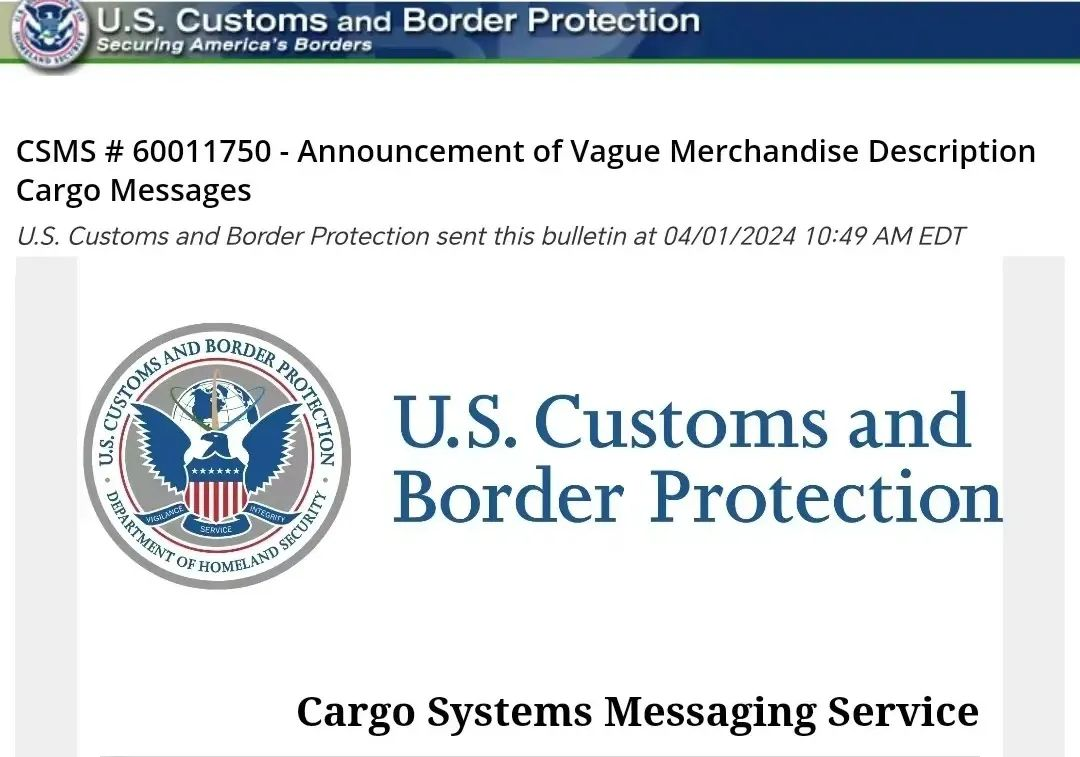
CBP has given examples of ambiguous cargo descriptions and emphasized that carriers must ensure that cargo declarations comply with regulations. Once problems are discovered, they should review the compliance of cargo information and take necessary corrective actions. If CBP discovers any non-compliance, further action may be taken.
In addition, vague descriptions and non-compliant declarations can easily lead to AMS feedback code 6H (Do Not Load), which means that the goods will not be allowed to be shipped. Only after the product name is modified to comply with the regulations, the goods can be shipped after contacting the customs again and obtaining the 6I (Hold Removed) code.
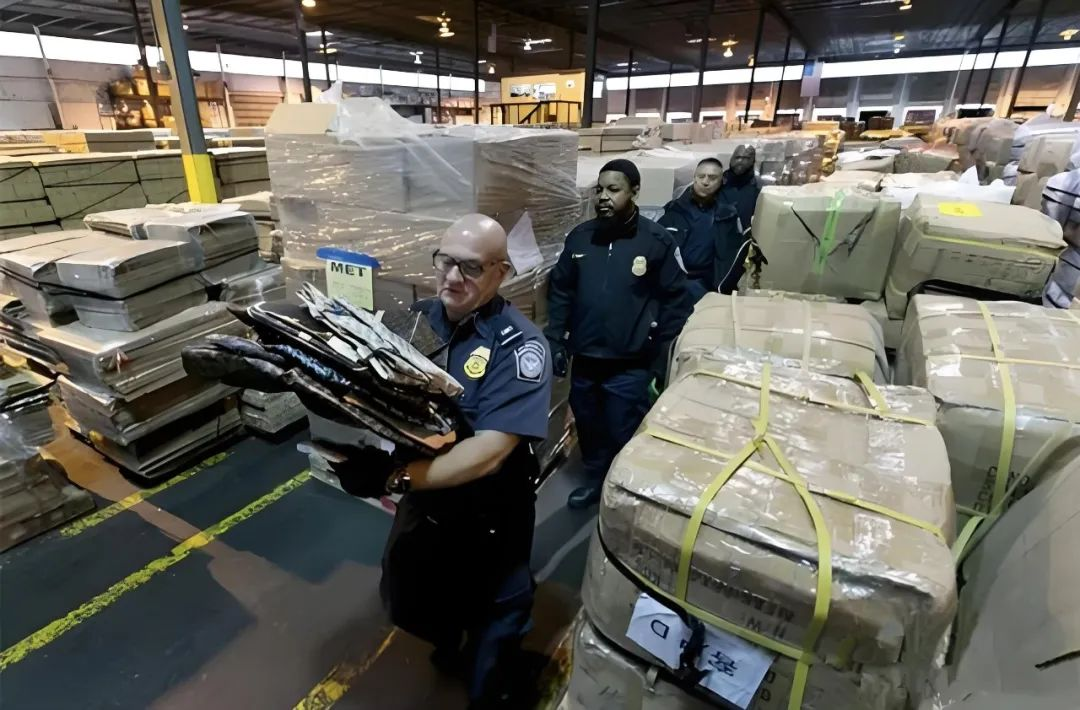
In addition to rigorous scrutiny of vaguely described and non-compliant declarations,another focus of U.S. Customs and Border Protection (CBP) inspections is textiles.The U.S. Department of Homeland Security (DHS) has issued an announcement indicating that they are developing an enhanced strategy to create a level playing field for the more than 500,000 workers in the U.S. textile industry by combating illegal trade.
The plan will serve as a blueprint for future enforcement efforts, including intensifying crackdowns on small packaged goods, conducting joint trade special operations, strengthening customs audits and foreign inspections, and expanding the Uyghur Forced Labor Prevention Act’s entity list. This indicates that the United States will take a series of measures to strengthen cargo supervision, ensure that textiles entering the US market comply with regulations, and crack down on any violations.
Through these measures, CBP aims to combat illegal goods entering the U.S. market, ensure that the goods comply with the requirements of U.S. law, and maintain the fairness and legality of trade.
 Container Shipping Lines Announce Rate Hikes and Surcharges for Trans-Pacific RoutesMay 20, 2025In a significant shift for the global shipping industry, major container shipping lines have announced substantial rate increases and peak season surcharges (PSS) for trans-Pacific routes, driven by a...view
 Amazon Europe FBA 2025 Fee Changes: Return Fee Exemption & How CUC Logistics Maximises Seller SavingsMay 6, 2025Global Trade Shifts & European OpportunitiesWhile U.S. trade policies reshape global commerce, savvy businesses are diversifying into Europe’s €470 billion e-commerce market. Amazon Europe’s 20...view
 2023 China (Ningbo) Export Cross Border E-commerce Expo Grand OpeningJune 13, 2023On May 31st, the 2023 China (Ningbo) Export Cross border E-commerce Expo opened grandly at the Ningbo International Convention and Exhibition Center in China!view
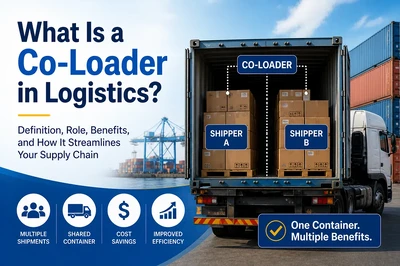 What Is a Co-Loader in Logistics?May 6, 2026A co-loader is a logistics company or freight intermediary that consolidates cargo from multiple freight forwarders and books transportation space with carriers on their behalf.In international shippi...view
 English
  português
  Call us on:
  Email Us:
  International Mayors Exchange Center, No. 55 Shizhou Middle Rd, Nanshan District, Shenzhen Guangdong China
