


Importing medical supplies from China to the USA can be a highly rewarding yet complex process. The demand for cost-effective, high-quality medical products has skyrocketed in recent years, making China a major supplier. However, navigating compliance, safety, and logistics is no small feat. So, how can you ensure a smooth shipping process? Let’s break it down step-by-step.
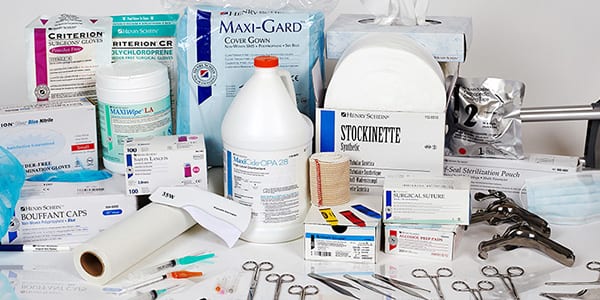
China is a global manufacturing hub for medical supplies, offering benefits like:
Cost Efficiency: Lower production costs result in competitive pricing.
Variety: Access to a wide range of products, from PPE to surgical instruments.
High Volume: Factories in China are equipped to handle bulk orders efficiently.
But sourcing from China also comes with challenges, especially around compliance and safety. Let’s address these in detail.
Medical supplies are heavily regulated in the USA, so ensuring compliance is crucial. Here’s what you need to know:
1. FDA Approval
Most medical supplies must meet FDA (Food and Drug Administration) standards. Before shipping:
Check FDA Regulations: Verify whether the product requires premarket approval.
Obtain Necessary Certifications: Some items may require a 510(k) premarket notification or other documentation.
2. Importer Responsibilities
As the importer, you’re legally responsible for ensuring compliance. Key steps include:
Registering with the FDA: Your business must be registered as an importer of medical devices.
Labeling Requirements: Ensure products meet labeling standards, including English-language instructions and warnings.
3. Customs Clearance
Work with a customs broker familiar with medical supplies to:
Classify your products correctly using HS codes.
Calculate import duties and taxes.
Submit accurate documentation to US Customs and Border Protection (CBP).
Medical supplies are often delicate and require specific handling to ensure they arrive in good condition. Here’s how to handle them safely:
1. Packaging
Use high-quality, compliant packaging to protect items during transit:
Sterile Supplies: Maintain sterility with sealed, tamper-proof packaging.
Fragile Items: Use shock-absorbent materials like bubble wrap.
Temperature-Sensitive Goods: Opt for insulated containers or refrigerated shipping if needed.
2. Choose the Right Shipping Method
Medical supplies can be shipped via air or sea freight. Consider:
Air Freight: Best for urgent or high-value shipments.
Sea Freight: Cost-effective for bulk orders but slower.
3. Work with Reliable Partners
Partnering with experienced freight forwarders and suppliers minimizes risks. Look for:
ISO Certifications: Ensure suppliers meet international quality standards.
Strong Track Record: Check reviews and references.
1. Counterfeit Products
Ensure product authenticity by:
Vetting suppliers thoroughly.
Requesting samples before placing large orders.
Using third-party inspection services.
2. Delays in Transit
Avoid delays by:
Planning for peak shipping seasons.
Ensuring accurate documentation.
Opting for express shipping if timelines are tight.
3. Communication Barriers
Clear communication with Chinese suppliers is key. Use tools like:
Translation services to avoid misunderstandings.
Detailed contracts outlining product specifications and timelines.
Here’s a simplified checklist to ensure smooth shipping of medical supplies:
Research Regulations: Familiarize yourself with FDA and customs requirements.
Vet Suppliers: Choose reputable suppliers with a history of exporting to the USA.
Get Certifications: Confirm that products meet US regulatory standards.
Use Professional Services: Work with customs brokers and freight forwarders.
Plan Logistics: Choose the best shipping method and ensure proper packaging.
Track Your Shipment: Use tracking tools to monitor the shipment’s progress.
Medical supplies shipping from China to USA can be complex, but with proper preparation and reliable partners, it’s entirely manageable. Focus on compliance, safety, and communication to ensure a seamless process. Remember, importing medical supplies isn’t just about logistics – it’s about ensuring the safety and well-being of those who depend on these products.
Copyright Statement:
All images in this article have been used with diligent efforts to verify sources. Regarding copyright matters:
1️⃣ Rights holders are hereby advised to assert your claims via the contact information at the bottom of this article
2️⃣ We shall legally cooperate in replacing, removing disputed content, or negotiating authorized usage
3️⃣ Third-party users reproducing this article must independently verify image sources and licensing status
 Yantian Port Makes History: Global's Largest LNG Megaship Docks!May 28, 2025Recently, Yantian Port, a crucial gateway for global trade, proudly welcomed the maiden voyage of the CMA CGM SENEGAL, the world's first 24,000 TEU liquefied natural gas (LNG) dual-fuel powered u...view
 Global Ocean Freight Trends: What's Afloat in the Shipping Industry?September 26, 2023The global shipping industry is constantly evolving, driven by technological advancements, economic shifts, and environmental considerations. Keeping an eye on the latest trends in global ocean freigh...view
 How a Misprinted Invoice Made Me Rethink China-UK Shipping (And Saved My Business £27k)April 7, 2025Bristol importer spills the tea on cutting logistics chaos - from customs meltdowns to courier cons. CUCFreight's unorthodox hacks inside.view
 Global Commerce Flow: Shipping Goods from China to CanadaMarch 13, 2024In the context of the globalized economy, the circulation of goods has transcended geographical boundaries, and international trade has become a crucial engine for economic development. As a world man...view
 English
  português
  Call us on:
  Email Us:
  International Mayors Exchange Center, No. 55 Shizhou Middle Rd, Nanshan District, Shenzhen Guangdong China
