

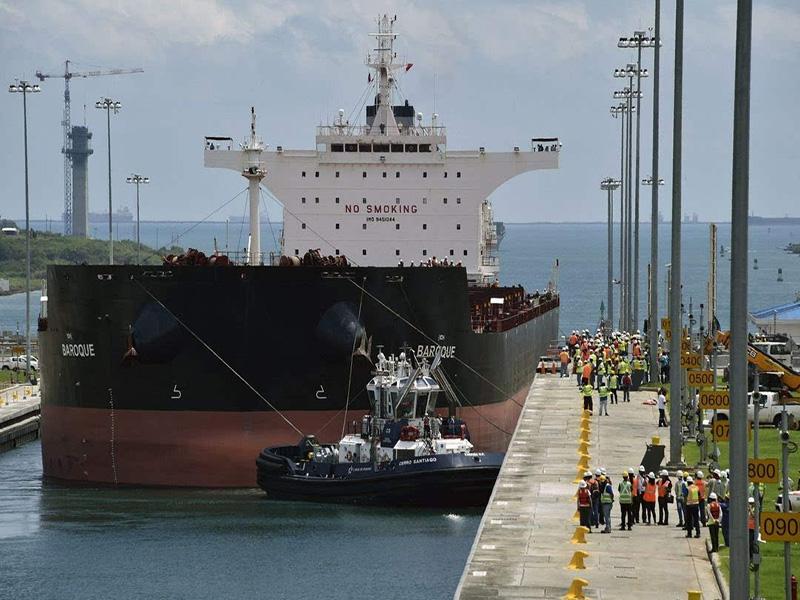
According to reports, as an important waterway for global trade, severe drought is forcing the Panama Canal to introduce shipping restrictions, that is, to adjust the draft limit of large ships.
This means that container ships must lighten their load and pay higher fees if they want to pass through the Panama Canal. It is expected that the cost of transporting goods through the Panama Canal will rise further this summer, and the goods may also face delays.
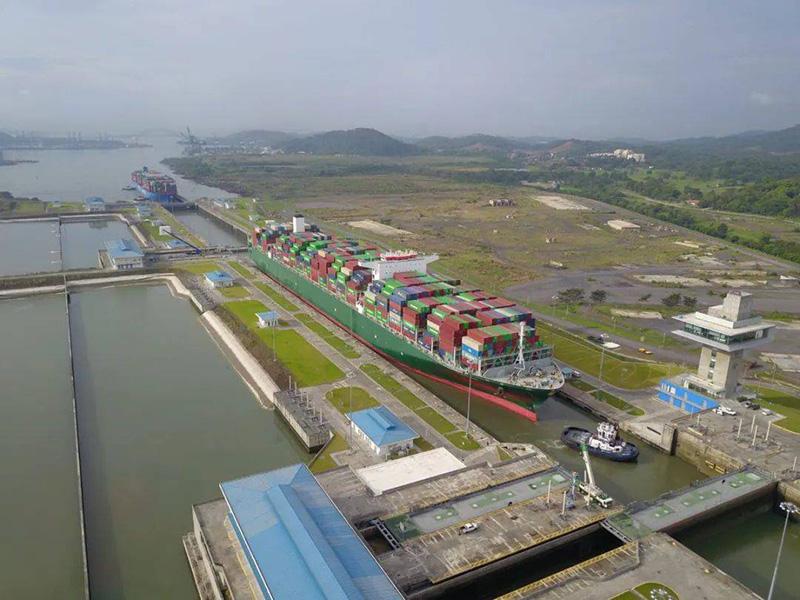
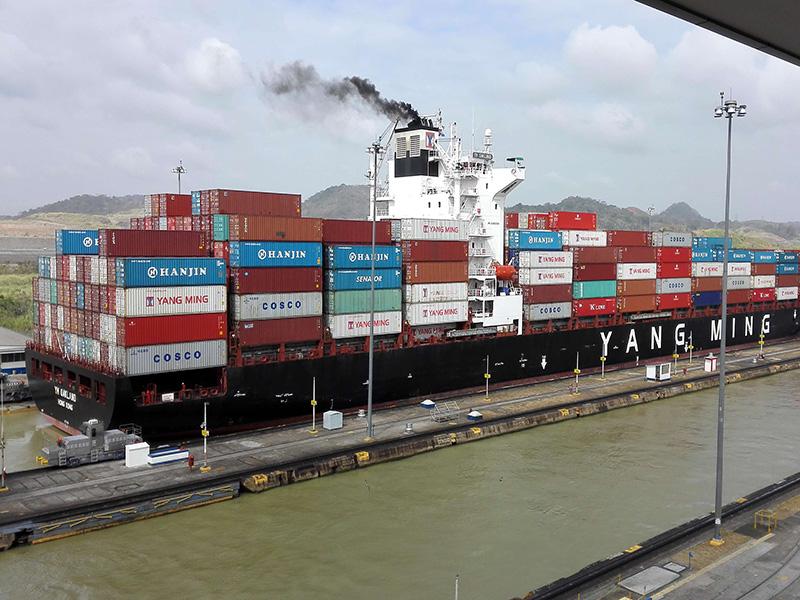
The Panama Canal connects the Pacific Ocean and the Atlantic Ocean, with a total length of more than 80 kilometers, it is a lock-type canal and 26 meters higher above sea level. Carrying about 6% of the world's sea freight (mainly from the United States, China and Japan), the canal is an important waterway for global trade. Ships use the sluices to raise and lower the water level as they pass, each time requiring the discharge of 200 million liters of fresh water into the ocean. The fresh water comes mainly from the nearby Gatun Lake and Alajuela Lake, and the two artificial lakes are mainly fed by precipitation.
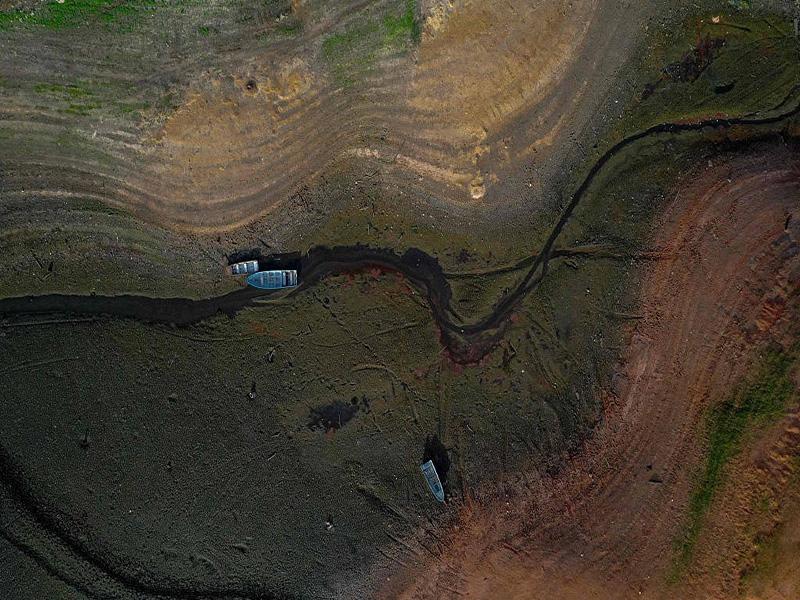
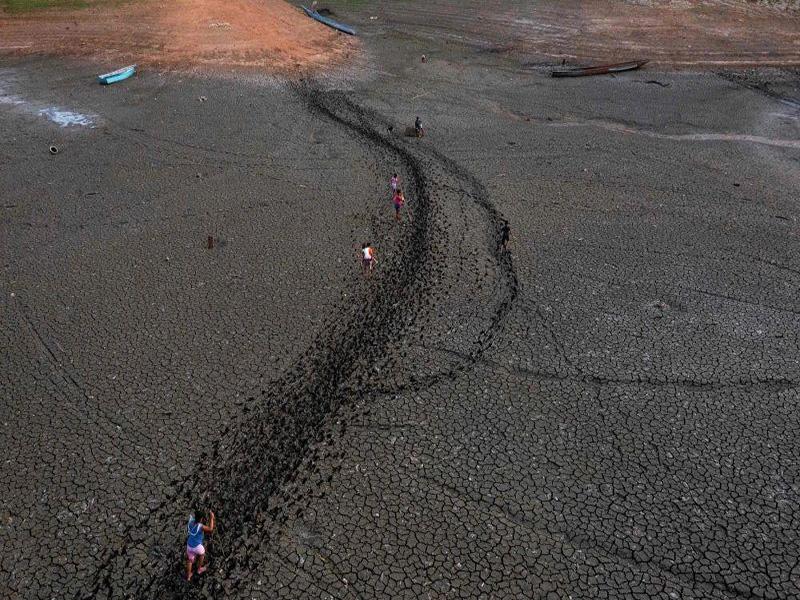
It is understood that from February to April, the rainfall near the canal and the lake that feeds the canal is less than half of the normal level, and the rainy season, which usually starts before summer, is also showing no sign this year. This year's rainfall is on par with 2019 and the lowest in 20 years, according to Everstream Analytics.
Jon Davis, chief meteorologist at Everstream Analytics, said Panama will continue to see below-normal rainfall for the current and future period. As a result, the water levels of the lakes that feed the Panama Canal will continue to drop, which will make shipping in the Panama Canal even more difficult.
In the face of the drought, the Panama Canal Authority has adjusted the draft limit of large ships again. This is also the fifth adjustment made by the agency this year. That is, from May 24, the ships will be allowed a maximum draft of 44.5 feet (13.56 meters), compared with the previous limit of 45 feet. By May 30, the draft limit will be lowered again to 44 feet. Generally, 50 feet of draft is considered normal.
Peter, director of ocean freight at China freight specialist CUC Freight, said that while it may seem like a small change, it has major implications for shippers. First, it could reduce cargo on some container ships by as much as 40%. Secondly, if we continue to choose the Panama route as an example, the shippers who transport heavy cargo have to divide the cargo that can be loaded in one container into two containers for shipment, which means that the transportation cost will be increased on the basis of additional surcharges. Almost to be double. In addition, the goods will also face the possibility of delay. Taken together, this is undoubtedly a big blow to shippers.
In this regard, Peter suggested that shippers can choose to use the Suez Canal as an alternative route for cargo from Asia to the United States, or they can ship to ports in Southern California and then load containers onto trucks or trains bound for the Midwest and East Coast. In fact, some shippers are currently considering these options.
 What is FCL Shipping? A Complete GuideApril 21, 2024Introduction to FCL ShippingIn the realm of international trade, FCL shipping stands as a pillar supporting the seamless movement of goods across borders. FCL, or Full Container Load, is a shipping me...view
 What Is a Shipping Quote?September 28, 2025A shipping quote is a formal cost estimate provided by a freight forwarder, carrier, or logistics provider that outlines the total charges involved in moving goods from the origin to the destination. ...view
 How a Misprinted Invoice Made Me Rethink China-UK Shipping (And Saved My Business £27k)April 7, 2025Bristol importer spills the tea on cutting logistics chaos - from customs meltdowns to courier cons. CUCFreight's unorthodox hacks inside.view
 What Are Warehousing Services?October 30, 2025Warehousing services refer to the storage, management, and handling of goods in a designated facility before they are distributed or shipped to their final destination. These services are a crucial pa...view
 English
  português
  Call us on:
  Email Us:
  International Mayors Exchange Center, No. 55 Shizhou Middle Rd, Nanshan District, Shenzhen Guangdong China
