

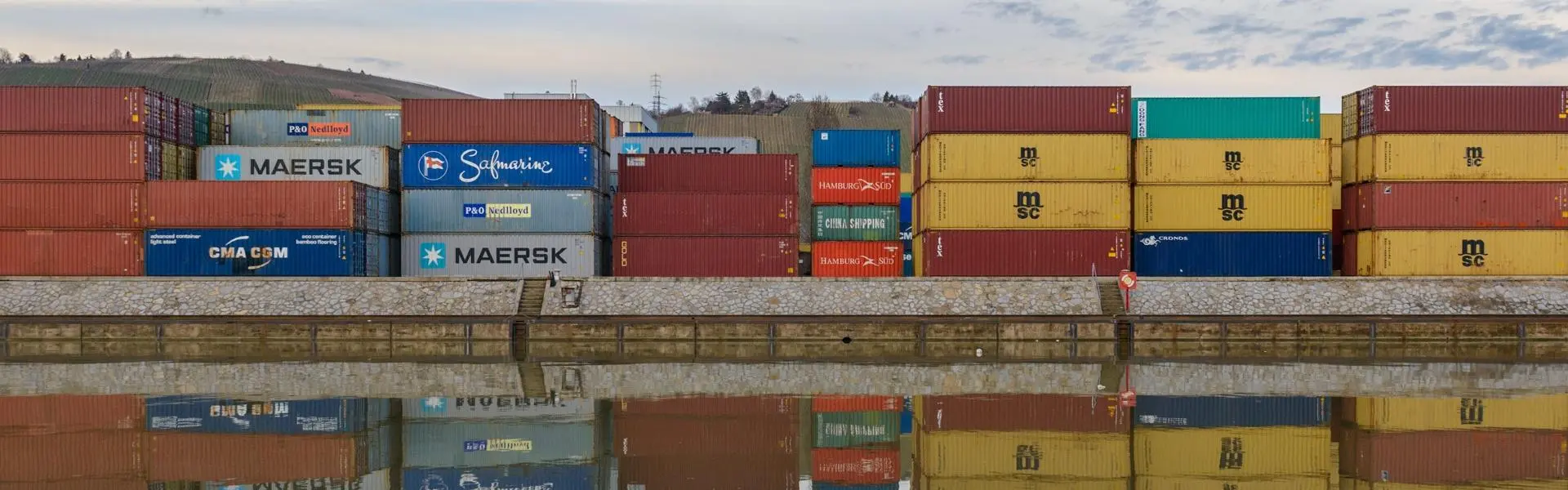

On April 2, 2025 (US Eastern Time), the US government announced the termination of duty-free treatment for low-value shipments from mainland China and Hong Kong. Effective May 2, parcels shipped via international postal systems will face tariffs of 30% of declared value or $25 per item, rising to $50 per item after June 1.
Subsequent amendments escalated requirements:
April 8: Tariffs on sub-$800 Chinese goods increased to 90% (from 30%), with per-parcel duties rising to $75 (May 2–June 1) and $150 post-June 1.
April 11: Further adjustments imposed 120% tariffs or $100 per parcel (effective May 2), surging to 200% or $200 per parcel from June 1.
Cumulative tariffs reached alarming levels:
March 3: Additional 10% tariff on Chinese imports over fentanyl concerns, raising total duties to 20%.
April 2: 34% "reciprocal tariff" imposed on China alongside a 10% baseline for other trade partners.
April 8: Supplemental 50% surcharge pushed total Chinese tariffs to 104%.
April 9: Tariffs on Chinese goods spiked to 125%, later clarified as 145% when including prior surcharges.
Operational Impact:
Carriers (FedEx, UPS, etc.) now bear legal liability for tariff compliance and customs documentation.
Postal systems: Mandatory $25 duty on non-letter postal items aims to redirect shipments to commercial air freight.
Data gaps: Airlines currently lack detailed cargo manifests, requiring new IT investments for real-time HS code verification.
Izzy Rosenzweig, CEO of Portless, notes: "The Trump administration views postal networks as conduits for untraceable goods. By imposing prohibitive tariffs, they’re forcing a shift to traceable commercial air logistics."
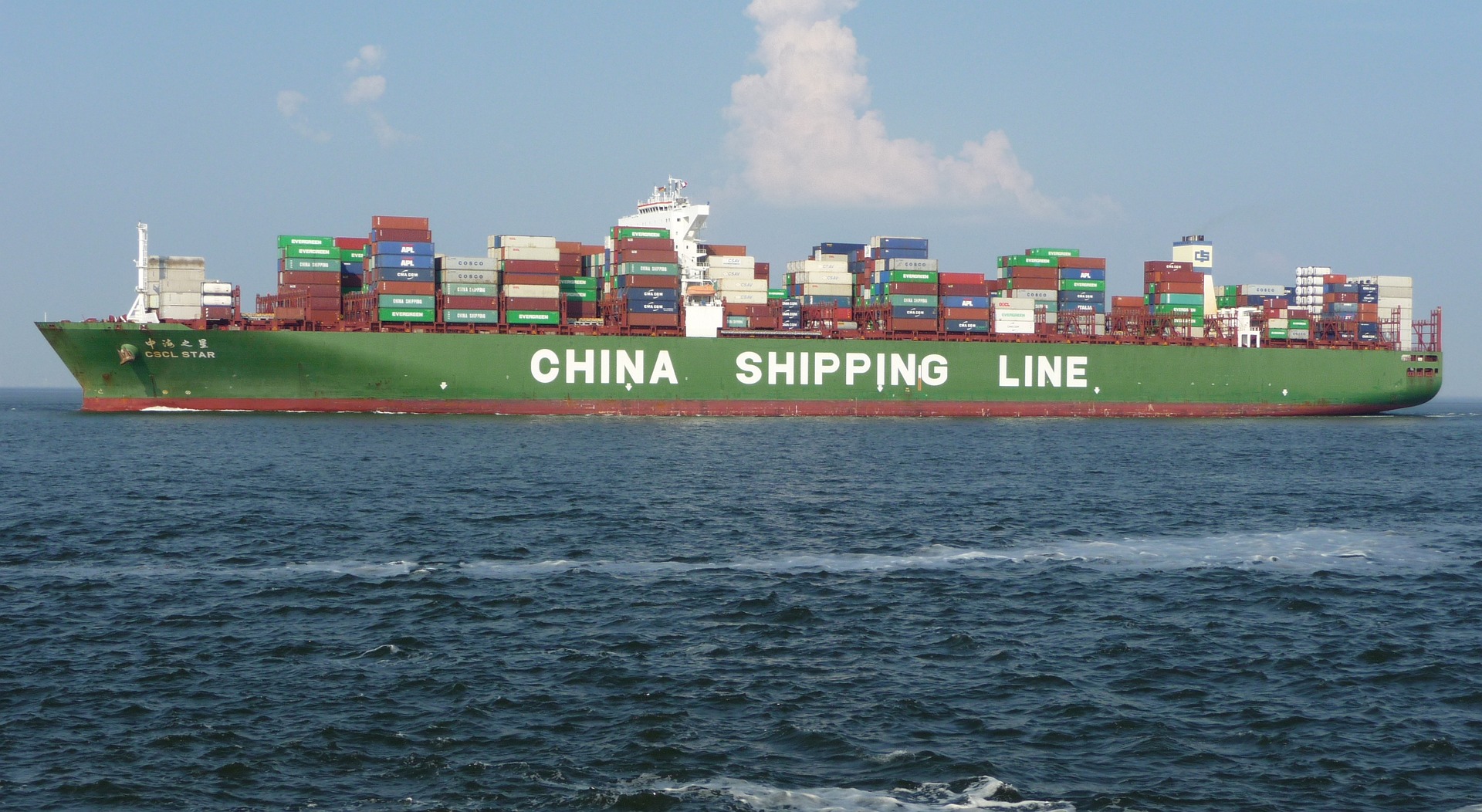
E-commerce Direct Shipping Model Under Threat
The 2016 de minimis threshold increase to $800 enabled cross-border growth, but 2025 reforms jeopardise this:
Key Developments:
2023: Automated "Type 86" customs clearance (adopted by SHEIN/TEMU) slashed processing from days to minutes.
2024: 1.4 billion de minimis parcels entered the US (60% from China), valued at $64.6 billion.
February 2025: Temporary suspension of Chinese/Mexican/Canadian de minimis eligibility caused airport backlogs.
Post-Reform Challenges:
Documentation chaos: Retailers face surprise brokerage fees and delayed shipments due to incomplete data.
Consumer costs: Tariffs now visible on invoices, eroding price advantages for Chinese goods.
Compliance burden: As Lenny Feldman of Sandler, Travis & Rosenberg states, "Carriers now function as de facto importers, a regulatory role without precedent."
Rosenzweig highlights one silver lining: "Direct shipping still allows deferred tax payments until sale completion – a cash flow advantage over bulk container imports."
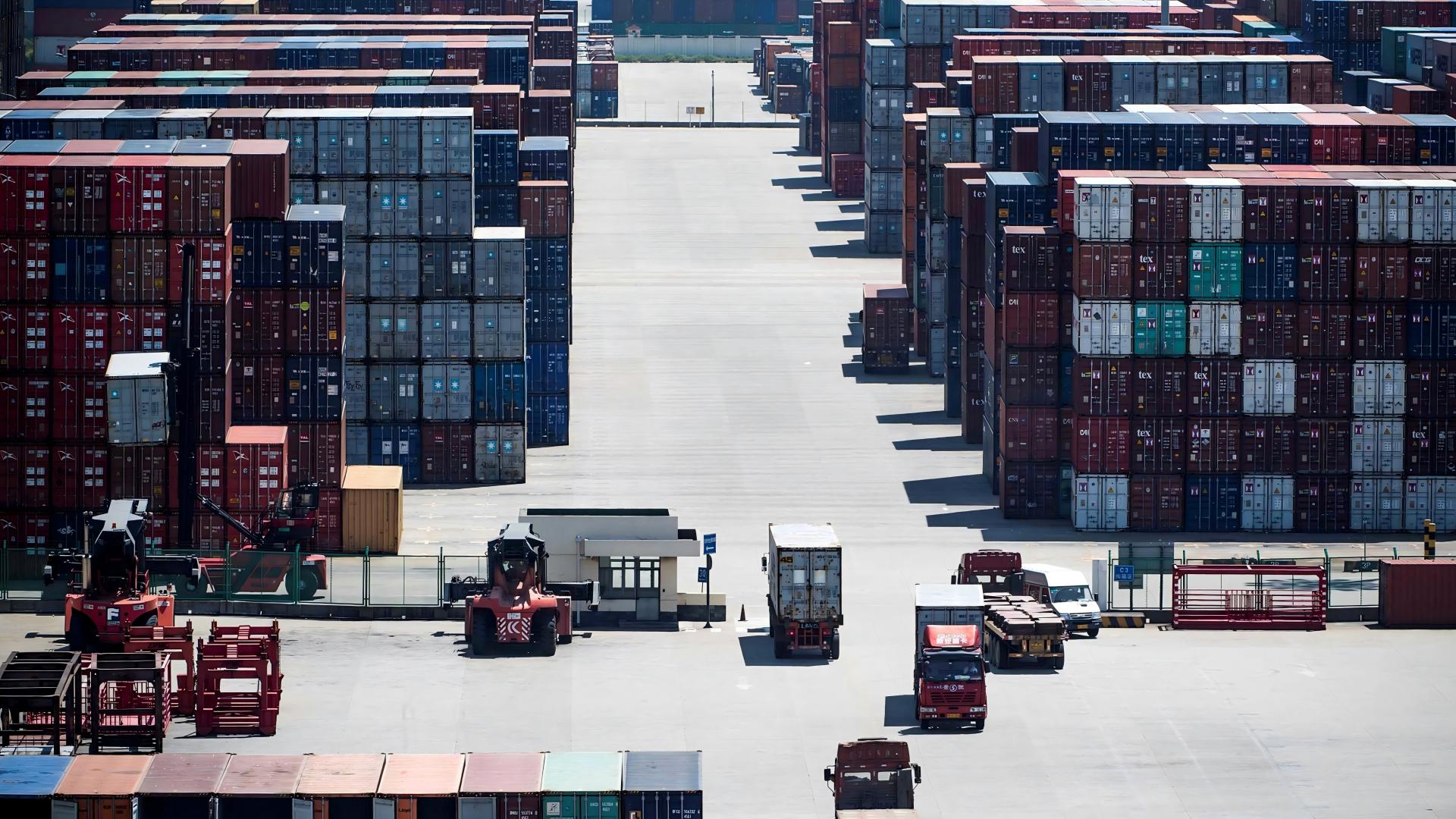
Air Cargo Market Turbulence
E-commerce’s air freight dependency faces stress tests:
Market Data:
Pre-reform: 50% of China-US air cargo comprised e-commerce parcels (6% of global demand).
February 2025: Global air cargo demand flatlined after double-digit 2023–24 growth.
Projections: 22% volume drop on China-US routes, with rates falling from $4.25/kg to $3.25/kg.
Adaptation Strategies:
Modal shift: SHEIN/TEMU increasingly use sea freight for US warehouse replenishment.
Consolidation: Merging air/sea shipments to reduce per-unit clearance fees.
Rate volatility: Freightos predicts a pre-May 2 "rush shipping" spike followed by rate collapses.
Sector Resilience:
Air cargo remains critical: Per Milena Milenkovic of Flexport, "Not all inventory can be pre-positioned – urgent replenishment still needs air."
Pricing thresholds: A $5 garment’s 77.5% tariff adds $3.88 costs, testing viability of switching to slower sea transport.
Winners & Losers:
SHEIN: Can absorb $2–$4 price hikes given higher margins.
TEMU: Faces existential threats competing with dollar stores; its US marketplace ambitions now hinge on local seller recruitment.

 Understanding General Rate Increases (GRIs) in ShippingMay 30, 2025What is a General Rate Increase (GRI)?A General Rate Increase (GRI) refers to the adjustment of base ocean freight rates by carriers, typically implemented during periods of high demand or operational...view
 The U.S. Import Bonds (Customs Bond)May 25, 2024Successfully to import products into the USA is a complex multi-step process. Customs clearance is very important part of process. When we comes to customs clearance, we have to refer to bonds. Custom...view
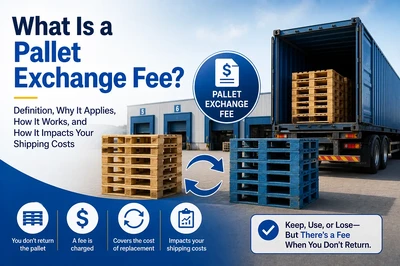 What Is a Pallet Exchange Fee?May 6, 2026A Pallet Exchange Fee is a logistics charge applied when shipping pallets are not returned, exchanged, or transferred according to an agreed pallet exchange program between shippers, carriers, warehou...view
 Mastering the Supply Chain: Streamlining the Process of Shipping Goods from China to CanadaMarch 13, 2024In today's globalized economy, the supply chain has become a crucial link connecting economies worldwide. With China being a major manufacturing hub, trade relations with Canada are becoming incre...view
 English
  português
  Call us on:
  Email Us:
  International Mayors Exchange Center, No. 55 Shizhou Middle Rd, Nanshan District, Shenzhen Guangdong China
