


A General Rate Increase (GRI) refers to the adjustment of base ocean freight rates by carriers, typically implemented during periods of high demand or operational cost surges. GRIs are commonly announced ahead of peak shipping seasons or in response to market dynamics, impacting all shipments not yet loaded onto vessels, regardless of booking dates. This practice, known as "valid at time of shipping" (VATOS), means that even pre-booked cargo can incur higher costs if loaded after the GRI takes effect.
GRIs are influenced by several factors:
Seasonal Demand: Increased shipping activity during holidays or major events can prompt carriers to raise rates.
Operational Costs: Rising fuel prices, port fees, or labor costs may lead carriers to adjust rates to maintain profitability.
Capacity Management: Carriers may implement GRIs to manage space utilization effectively, especially when demand outpaces available capacity.
For businesses involved in international trade, GRIs can lead to unexpected increases in shipping costs, affecting profit margins and pricing strategies. It's crucial for shippers to:
Monitor Announcements: Stay informed about upcoming GRIs to anticipate cost changes.
Plan Shipments Strategically: Schedule cargo loading before GRIs take effect to avoid additional charges.
Negotiate Contracts: Work with freight forwarders to secure rates that account for potential GRIs.
Diversify Shipping Options: Explore alternative routes or carriers to find more competitive rates.
Consolidate Shipments: Combining cargo can lead to cost savings and better rate negotiations.
Leverage Technology: Utilize freight rate calculators and market intelligence tools to make informed decisions.
GRIs are a standard aspect of the shipping industry, reflecting the dynamic nature of global trade. By understanding the mechanisms behind GRIs and implementing proactive strategies, importers and exporters can navigate these rate changes effectively, ensuring smoother operations and cost management.
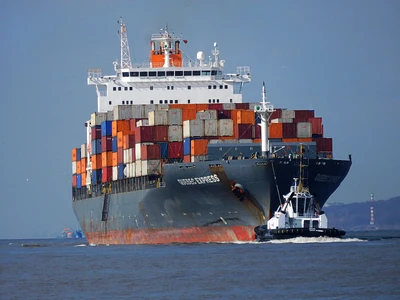 Reduce the risk of high tariffs with full container DDP solutionsMay 6, 2025Global trade is becoming increasingly complex. In April, the United States announced that it would impose a total tariff of up to 145% on China. After China took countermeasures, the cumulative tariff...view
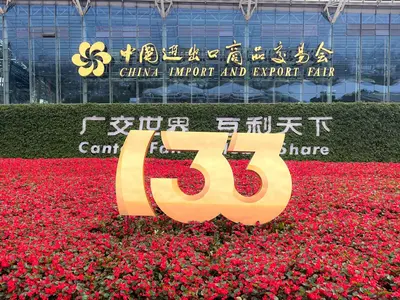 The 133rd Canton Fair Ended Successfully, And the On-Site Export Turnover Reached 21.69 Billion US DollarsMay 12, 2023On the afternoon of May 5th, the offline exhibition of the 133rd Canton Fair closed in Guangzhou, China, and the online platform was operating normally.According to Xu Bing, news spokesman of the Cant...view
 Importing From China: Tariffs, Duties, and Taxes ExplainedMay 16, 2025Importing goods from China can be a lucrative business, but it comes with its own set of challenges, including navigating tariffs, duties, and taxes. Understanding these costs is crucial for accuratel...view
 What is a Freight TerminalJuly 2, 2025A freight terminal is a designated facility where cargo is transferred, sorted, consolidated, or processed during its journey from the shipper to the final destination. These terminals are critical no...view
 English
  português
  Call us on:
  Email Us:
  International Mayors Exchange Center, No. 55 Shizhou Middle Rd, Nanshan District, Shenzhen Guangdong China
