

In the intricate world of international trade, the connection between land and sea plays a pivotal role in ensuring the seamless flow of goods. This article explores the intermodal dynamics of freight from China to Canada, shedding light on the crucial linkages between various transportation modes.
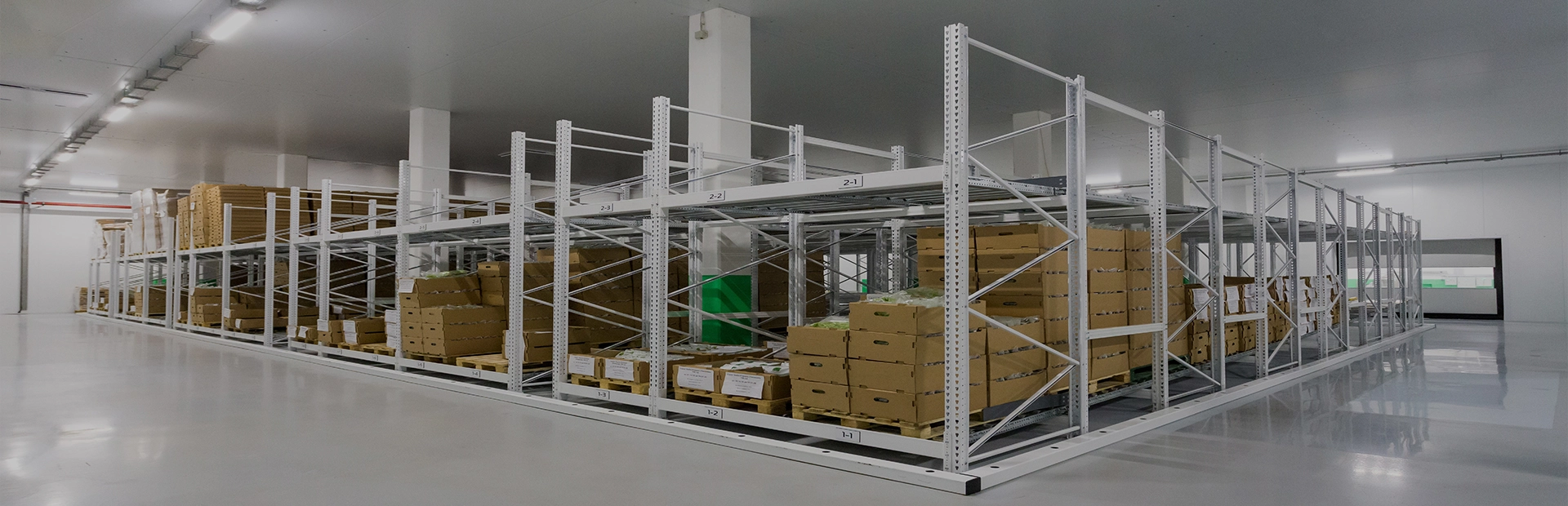
As freight embarks on its journey from China to Canada, the role of land transportation cannot be overstated. The expansive network of railways and trucking routes facilitates the movement of goods from manufacturing hubs in China to key ports, forming the initial phase of this intermodal journey.
Once on Canadian shores, the focus shifts to maritime transportation. The vast oceanic expanse is covered by cargo ships, ferrying goods across the Pacific. Understanding the complexities of sea routes, shipping schedules, and the challenges posed by maritime weather conditions is vital to ensuring a reliable and efficient freight process.
At the heart of the intermodal dynamics lies the coordination between land and sea transport. Efficient logistics planning, synchronized schedules, and seamless transitions between modes of transportation are crucial for minimizing delays and optimizing the overall supply chain.
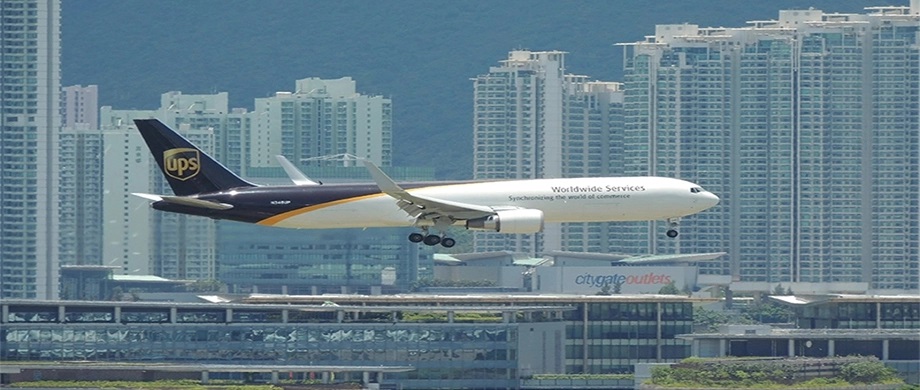
In the contemporary landscape, technology acts as a catalyst in enhancing the intermodal dynamics of freight from China to Canada. Real-time tracking, data analytics, and digital communication platforms empower stakeholders to monitor shipments, predict potential disruptions, and make informed decisions, ensuring a smoother transition between land and sea connections.
In the ever-evolving landscape of international trade, the intermodal dynamics of freight from China to Canada stand as a testament to the intricate dance between land and sea connections. As businesses continue to navigate these routes, understanding the synergy between various transportation modes becomes paramount for a resilient and efficient global supply chain.
Freight from China to Canada remains at the forefront of this intermodal narrative, underscoring its significance throughout the entire journey. From the bustling factories of China to the vast Canadian landscapes, this interplay between land and sea connections is the lifeline that sustains the flow of goods across continents. Contact CUC Freight for the cheapest freight from China to Canada.
 Top 10 Chinese Wholesale Sports Jerseys Sites 2025 — With Logistics Advice for ImportersMay 30, 2025The Growing Demand for Sports Jerseys
Sports jerseys have transcended their traditional role as athletic wear to become fashion statements and symbols of team loyalty. With the global sports industry ...view
Top 10 Chinese Wholesale Sports Jerseys Sites 2025 — With Logistics Advice for ImportersMay 30, 2025The Growing Demand for Sports Jerseys
Sports jerseys have transcended their traditional role as athletic wear to become fashion statements and symbols of team loyalty. With the global sports industry ...view What Is an Export Declaration?September 28, 2025An Export Declaration is an official document required by customs authorities to provide details about goods being shipped out of a country. It ensures compliance with trade regulations, helps governm...view
 What Is Importer Security Filing (ISF)?September 28, 2025The Importer Security Filing (ISF), also known as the “10+2” rule, is a U.S. Customs and Border Protection (CBP) requirement that applies to all cargo being imported into the United States by ocean ...view
 Reduce the risk of high tariffs with full container DDP solutionsMay 6, 2025Global trade is becoming increasingly complex. In April, the United States announced that it would impose a total tariff of up to 145% on China. After China took countermeasures, the cumulative tariff...view
 English
  português
  Call us on:
  Email Us:
  International Mayors Exchange Center, No. 55 Shizhou Middle Rd, Nanshan District, Shenzhen Guangdong China
