


Washington D.C. – June 3rd, 2025 – In a move set to impact global trade and china shipping, the White House announced today that President Trump has doubled tariffs on imported steel and aluminum, and their derivative products, from 25% to 50%. This significant tariff hike will take effect at 12:01 AM EDT on June 4th, 2025.
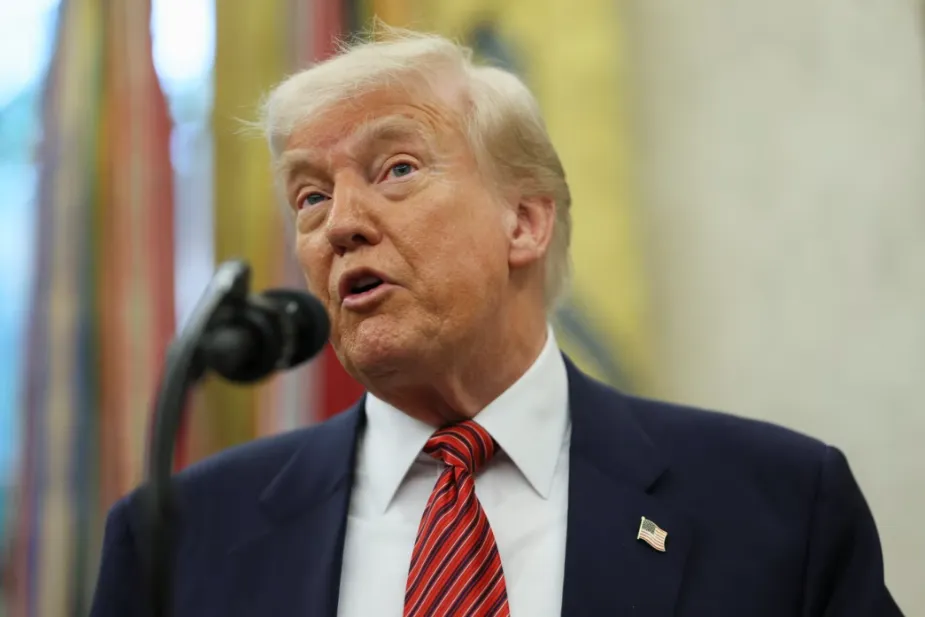
The official statement clarified that steel and aluminum imports from the United Kingdom will remain subject to the current 25% tariff. However, starting July 9th, 2025, the U.S. reserves the right to adjust applicable tariff rates and establish import quotas for steel and aluminum based on the terms of an "Environmental Policy Statement." Should the UK be found in non-compliance with this statement, the tariff rate could also be increased to 50%.
This announcement follows President Trump's declaration at a rally in Pennsylvania on May 30th, where he first indicated his intention to raise steel import tariffs from 25% to 50%. He later confirmed the June 4th effective date via social media.
 The Harmonized Tariff Schedule of the United States (HTSUS) 2025-4-11April 7, 2025The Harmonized Tariff Schedule of the United States (HTSUS) is compiled and published by the U.S. International Trade Commission (USITC), with regulatory interpretation and enforcement delegated to U.S. Customs and Border Protection (CBP).viewHow a Misprinted Invoice Made Me Rethink China-UK Shipping (And Saved My Business £27k)April 7, 2025Bristol importer spills the tea on cutting logistics chaos - from customs meltdowns to courier cons. CUCFreight's unorthodox hacks inside.view
 Shipping from China to ItalyJuly 1, 2025When it comes to international freight from Asia to Southern Europe, China to Italy is a vital trade route—particularly for importers in sectors like fashion, furniture, electronics, and industrial c...view
 Ongoing Riots in Los Angeles: Traffic Disruptions, Industry Focus on Port Logistics Smoothness | CUCFreightJune 9, 2025Partial Highway Traffic InterruptionsPort Logistics Temporarily NormalCUCFreight has learned the latest: On June 6th, U.S. Immigration and Customs Enforcement (ICE) and other federal agencies conducte...view
 English
  português
  Call us on:
  Email Us:
  International Mayors Exchange Center, No. 55 Shizhou Middle Rd, Nanshan District, Shenzhen Guangdong China
