


Blind shipping is a logistics practice where the shipper’s identity and address are hidden from the final consignee (the buyer). Instead, the shipment shows the seller’s customer or distributor as the shipper of record, creating the impression that the goods are coming directly from them rather than the original supplier or manufacturer.
This strategy is widely used in dropshipping, distribution, and wholesale supply chains.
Supplier ships goods directly to the end customer.
The shipping documents and labels do not display the supplier’s details.
Instead, the buyer’s name, warehouse, or distributor is shown as the shipper of record.
Often, freight forwarders or 3PLs (third-party logistics providers) facilitate blind shipping by generating neutral documents (bills of lading, invoices) and controlling the flow of information.
Protect Supplier Information
Prevents the end customer from bypassing distributors and going straight to the source.
Branding Control
Ensures that only the distributor’s or reseller’s brand is visible on the shipment.
Streamlined Supply Chains
Goods move directly from the factory to the customer without stopping at the distributor’s warehouse.
Drop Shipping: Retailer never handles inventory; the supplier ships directly to the customer, often branded under the retailer’s name.
Blind Shipping: Focuses on hiding the true shipper’s identity while allowing distributors or resellers to maintain customer loyalty.
Documentation Errors: If blind bills of lading are mishandled, customs authorities may flag shipments.
Trust Issues: Requires strong relationships between suppliers, freight forwarders, and distributors.
Compliance: Must still meet customs and legal requirements even when disguising shipper details.
Blind shipping is a valuable logistics tool for businesses that want to protect their supply chain relationships and brand identity while still leveraging direct shipments from China (or other origins) to global customers.
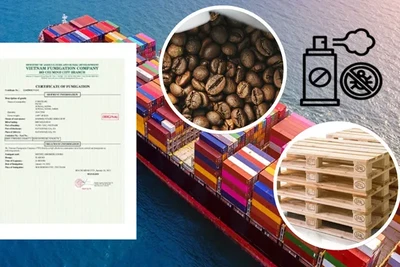 What Is a Fumigation Certificate?November 24, 2025A Fumigation Certificate—sometimes called a Pest Control Certificate—is an official document issued by an authorized fumigation service provider confirming that cargo, packaging, or containers have ...view
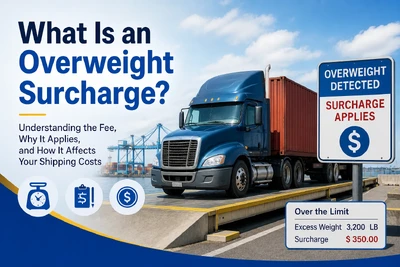 What Is an Overweight Surcharge?May 6, 2026An Overweight Surcharge is an additional fee charged in international shipping when cargo exceeds the standard weight limits allowed for transportation equipment, road regulations, port handling, or c...view
 What Is an Export Declaration?September 28, 2025An Export Declaration is an official document required by customs authorities to provide details about goods being shipped out of a country. It ensures compliance with trade regulations, helps governm...view
 Importing From China: Tariffs, Duties, and Taxes ExplainedMay 16, 2025Importing goods from China can be a lucrative business, but it comes with its own set of challenges, including navigating tariffs, duties, and taxes. Understanding these costs is crucial for accuratel...view
 English
  português
  Call us on:
  Email Us:
  International Mayors Exchange Center, No. 55 Shizhou Middle Rd, Nanshan District, Shenzhen Guangdong China
