


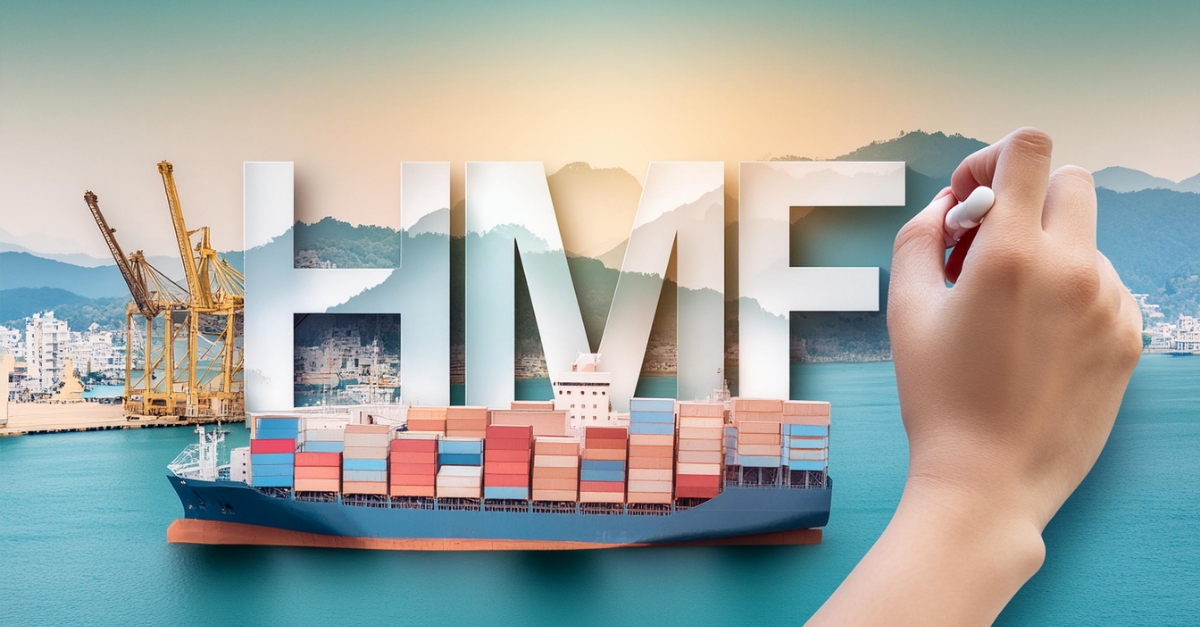
The Harbor Maintenance Fee (HMF) is a U.S. Customs and Border Protection (CBP) fee charged on imports arriving at U.S. ports via ocean freight. It was established under the Water Resources Development Act of 1986 to help fund the maintenance and dredging of U.S. harbors and shipping channels.
Importers bringing goods into the U.S. by ocean vessel.
Exporters and domestic shippers used to be subject to HMF, but today imports are the primary category paying the fee.
Not applied to air freight, trucking, or rail shipments—only sea freight.
Rate: 0.125% (1/8 of 1%) of the cargo value.
Example: If the customs value of imported goods is $100,000, the HMF is:
100,000×0.00125=125 USD100,000 \times 0.00125 = 125\ \text{USD}100,000×0.00125=125 USD
The fee is collected by CBP at the time of customs entry filing.
Applies to Imports Only – Export cargo is generally exempt.
Not Mode-Universal – Only ocean freight shipments into U.S. ports are subject to HMF.
Customs Entry Requirement – Must be declared and paid along with other duties and fees.
Non-Refundable – Even if goods are later re-exported, the HMF is not reimbursed.
Adds to Landed Cost – Even though the percentage is small, for high-value imports from China or other countries, the HMF can significantly impact total cost.
Compliance Risk – Failing to declare HMF accurately can trigger fines or customs delays.
Forecasting – Importers should always include HMF in landed cost calculations along with duties, tariffs, and MPF (Merchandise Processing Fee).
In summary: The Harbor Maintenance Fee (HMF) is a U.S. government charge of 0.125% of cargo value applied to all ocean freight imports at U.S. ports. It helps fund port infrastructure, and while small per shipment, it’s a cost that importers must include in their total shipping budgets.
 What is LCL Shipping? A Complete GuideApril 21, 2024Introduction to LCL ShippingLCL (Less than Container Load) shipping is a popular method for transporting smaller quantities of goods that do not fill an entire shipping container. It provides a cost-e...view
 What Is Importer Security Filing (ISF)?September 28, 2025The Importer Security Filing (ISF), also known as the “10+2” rule, is a U.S. Customs and Border Protection (CBP) requirement that applies to all cargo being imported into the United States by ocean ...view
 Top 10 Freight Forwarders in ChinaAugust 2, 2024Navigating the logistics landscape in China can be challenging due to its vast network and complex regulations. Freight forwarders play a crucial role in managing shipping and logistics, ensuring smoo...view
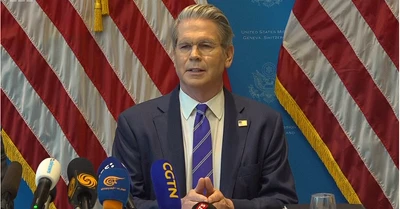 Industry News Alert: 2025 China-US Tariff UpdatesMay 12, 2025The Geneva skyline buzzed with cautious optimism on May 12, 2025, as Chinese and U.S. negotiators emerged from marathon talks with a joint statement that could hit the reset button on their bruising t...view
 English
  português
  Call us on:
  Email Us:
  International Mayors Exchange Center, No. 55 Shizhou Middle Rd, Nanshan District, Shenzhen Guangdong China
