


A Fumigation Certificate—sometimes called a Pest Control Certificate—is an official document issued by an authorized fumigation service provider confirming that cargo, packaging, or containers have been treated to eliminate pests, insects, or harmful organisms.
It is a critical compliance document in international trade, especially for shipments involving wood packaging, agricultural products, or cargo destined for countries with strict quarantine regulations.
Many countries enforce strict biosecurity laws to prevent the spread of invasive pests and plant diseases. A fumigation certificate ensures that:
Pallets, crates, or wooden packing meet ISPM-15 standards
No harmful insects or larvae are present in the cargo
The shipment complies with the destination country’s quarantine requirements
Cargo will not be delayed, rejected, or returned at the border
Countries like the United States, Australia, New Zealand, the European Union, and the Middle East often require fumigation for wood-based packaging and certain agricultural shipments.
A valid fumigation certificate typically includes:
Name and address of fumigation company
Date, time, and location of treatment
Cargo details (description, volume, container number)
Chemical used (e.g., methyl bromide or phosphine)
Dosage and exposure time
Temperature and concentration levels
Safety and ventilation conditions
Seal or stamp of the licensed fumigation provider
This document is presented during customs clearance and quarantine inspection at the destination.
Wood Packaging Materials (WPM)
Pallets, crates, boxes, dunnage
Must comply with ISPM-15
Agricultural Products
Spices, grains, seeds, nuts, raw plant materials
Used Equipment or Machinery
Dirt or organic matter may harbor pests
High-Risk Countries
Some nations require fumigation from specific origins with known pest risks
When exporting from China:
Fumigation is performed by licensed providers approved by Chinese authorities
Exporters may also obtain a CIQ (China Entry-Exit Inspection and Quarantine) certificate if required
The fumigation process must be completed before the container is sealed
Most large ports—Shanghai, Shenzhen, Ningbo—have dedicated fumigation facilities
Importers should clearly specify fumigation requirements in the purchase contract to avoid delays at the destination.
Cargo may be held, quarantined, or refused entry
Importers could face extra fees such as:
Inspection charges
Port storage
Re-fumigation costs
Return shipping in severe cases
Significant delays in customs clearance
Some countries issue automatic penalties for non-compliance.
Confirm destination quarantine requirements early
Use ISPM-15 stamped wood packaging whenever possible
Verify fumigation providers are licensed and recognized internationally
Keep electronic and physical copies of the fumigation certificate
Work with a freight forwarder that understands quarantine and phytosanitary rules
A Fumigation Certificate is a key compliance document proving that cargo or its packaging has been treated to eliminate pests. It helps shippers meet international quarantine standards, prevents customs delays, and ensures smooth movement of goods—especially when shipping from China to countries with strict biosecurity regulations.
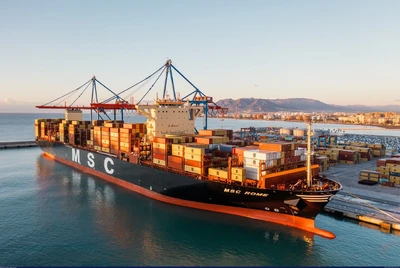 2025 US-China Trade War: Latest Tariff Updates, Negotiation TrendsMay 7, 2025The US-China trade war remains a critical global issue in 2025, with escalating tariffs disrupting supply chains and impacting businesses worldwide. The United States, under President Donald Trump, ha...view
 Container Shipping Lines Announce Rate Hikes and Surcharges for Trans-Pacific RoutesMay 20, 2025In a significant shift for the global shipping industry, major container shipping lines have announced substantial rate increases and peak season surcharges (PSS) for trans-Pacific routes, driven by a...view
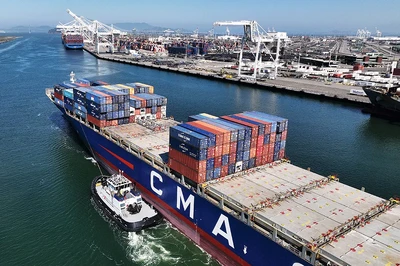 2025 Amazon Hotlist: Strategic Freight Insights for Chinese Logistics ProvidersApril 7, 2025As a Chinese freight forwarder, understanding emerging Amazon trends is critical to optimising supply chains for cross-border sellers. Below is our revised analysis of 2025’s top-selling, low-competi...view
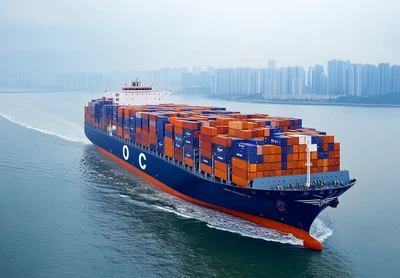 Sod HS Codes, Let's Talk Proper China ShippingMarch 24, 20251: When the Bollocks Hit the Container"Bloody hell, they've classed our hinges as 'furniture parts' again!" I yelled at the customs letter, which demanded £2,800 for "luxury goods storage" – ...view
 English
  português
  Call us on:
  Email Us:
  International Mayors Exchange Center, No. 55 Shizhou Middle Rd, Nanshan District, Shenzhen Guangdong China
