


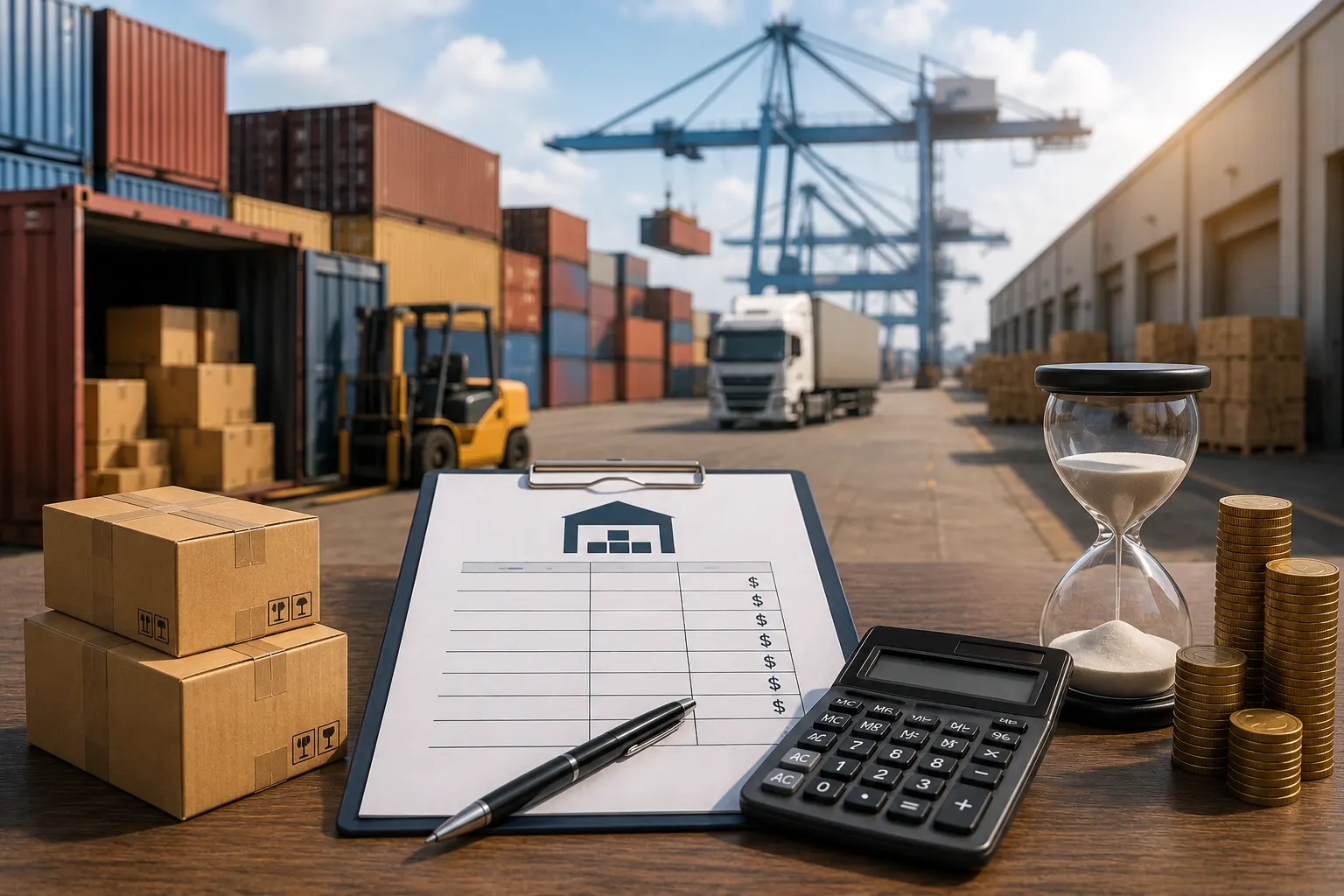
Storage charges are fees applied when cargo, containers, or goods remain at a port, terminal, warehouse, or logistics facility beyond the allowed free storage period.
In shipping, storage charges usually occur when cargo is not picked up, cleared, unloaded, or moved within the agreed timeframe.
Storage charges may apply at:
Port terminals
Container yards
Container freight stations
Air cargo terminals
Bonded warehouses
Freight forwarder warehouses
Third-party logistics facilities
They are charged to cover the cost of:
Occupying terminal or warehouse space
Cargo handling and supervision
Security and facility management
Delayed container pickup
Extended customs clearance time
Storage charges often happen because of:
Customs clearance delays
Missing or incorrect documents
Late payment of duties or taxes
Delayed pickup by consignee
Port congestion
Container inspection holds
Disputes between buyer and seller
| Charge | Meaning |
|---|---|
| Storage Charges | Fee for cargo staying too long at a terminal or warehouse |
| Demurrage | Fee for keeping a container inside the port beyond free time |
| Detention | Fee for keeping a container outside the port beyond allowed time |
Storage charges relate mainly to space usage, while demurrage and detention relate more specifically to container equipment usage.
They may be calculated by:
Per day
Per pallet
Per cubic meter
Per container
Per kilogram or ton
Based on cargo type or storage condition
For example, refrigerated cargo, dangerous goods, oversized cargo, or bonded cargo usually has higher storage fees.
To reduce storage risk:
Prepare customs documents before cargo arrival
Confirm consignee details early
Pay duties and taxes promptly
Arrange truck pickup in advance
Monitor free time at the destination terminal
Use an experienced freight forwarder to coordinate clearance and delivery
Storage charges are extra fees for leaving goods too long at a port, terminal, or warehouse. For importers shipping from China, they can quickly increase landed costs if customs clearance, payment, or final delivery is delayed.
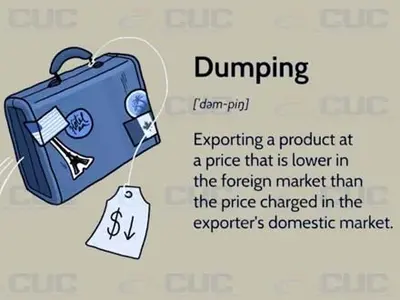 National anti-dumping product inquiry guideSeptember 13, 2023Anti-Dumping Duty? What is it?When we comes to anti-Dumping, we need to know what dumping is first.Dumping is a process wherein a company exports a product at a price that is significantly lower than ...view
 What Is the Automated Manifest System (AMS)?September 28, 2025The Automated Manifest System (AMS) is an electronic information transmission system managed by the U.S. Customs and Border Protection (CBP). It was created to speed up cargo processing and improve se...view
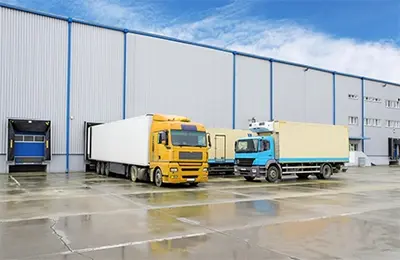 What is LCL Shipping? A Complete GuideApril 21, 2024Introduction to LCL ShippingLCL (Less than Container Load) shipping is a popular method for transporting smaller quantities of goods that do not fill an entire shipping container. It provides a cost-e...view
 Canada Post Strike 2025: CUPW Issues 72-Hour NoticeMay 21, 2025May 21, 2025 – The Canadian Union of Postal Workers (CUPW) has issued a 72-hour strike notice to Canada Post, signaling a potential labor disruption as early as midnight on Friday, May 23, 2025. This...view
 English
  português
  Call us on:
  Email Us:
  International Mayors Exchange Center, No. 55 Shizhou Middle Rd, Nanshan District, Shenzhen Guangdong China
