

Choosing between FCL and LCL shipping depends on your cargo volume, budget, delivery requirements, and supply chain strategy. FCL (Full Container Load) is usually the better choice for large shipments that can fill a container, while LCL (Less than Container Load) is more suitable for smaller shipments that do not require a full container. Selecting the right option can significantly impact transportation costs, transit time, cargo safety, and overall logistics efficiency.
As an experienced logistics services company, CUC Freight helps global businesses evaluate the most efficient ocean transportation solutions, providing flexible global sea freight and international shipping sea freight services tailored to different cargo requirements.
The main difference between FCL and LCL shipping is how container space is used.
FCL shipping means one shipper has exclusive use of an entire container. The container is loaded with cargo from a single supplier and transported directly to the destination without being shared with other shipments.
LCL shipping means multiple shippers share space in the same container. Cargo from different exporters is consolidated at the origin port, shipped together, and separated at the destination warehouse.
| Feature | FCL Shipping | LCL Shipping |
|---|---|---|
| Container Usage | Dedicated container | Shared container space |
| Best For | Large-volume shipments | Small and medium shipments |
| Cargo Handling | Less handling | More handling due to consolidation |
| Transit Time | Usually faster | May take longer |
| Cost Efficiency | Better for high volume | Better for small quantities |
| Cargo Security | Higher due to fewer touchpoints | Requires careful packaging |
Understanding this difference helps importers select the most cost-effective shipping method based on their actual logistics needs.
FCL shipping is recommended when your cargo volume is large enough to justify a full container. It is commonly used by manufacturers, wholesalers, and businesses importing regular quantities of products from overseas suppliers.
Although booking an entire container requires a higher upfront cost, FCL becomes more economical when the container is fully utilized. The cost per carton, pallet, or unit decreases as cargo volume increases.
For companies with stable import demand, FCL can provide better long-term transportation efficiency.
FCL cargo typically moves directly from the supplier’s warehouse or factory to the destination port. Since the container is not opened for consolidation or deconsolidation, it reduces handling time and lowers the risk of cargo damage.
A sealed container provides additional protection during transportation. This makes FCL a preferred solution for valuable products, sensitive equipment, industrial goods, and large-volume commercial shipments.
Businesses with predictable inventory requirements often prefer FCL because container schedules, loading plans, and delivery arrangements are easier to manage.
LCL shipping is ideal for businesses that have smaller cargo quantities but still need reliable ocean transportation.
For startups, small importers, and companies testing new markets, LCL allows access to international shipping without paying for unused container space.
With LCL, businesses only pay for the volume they use instead of the entire container. This makes it a practical option for shipments that occupy only a few cubic meters.
LCL allows companies to ship products more frequently without waiting until they have enough cargo to fill a container. This helps maintain inventory flexibility and reduces warehouse pressure.
Businesses importing samples, spare parts, seasonal products, or smaller batches often benefit from LCL solutions.
However, because LCL shipments involve consolidation and additional handling, professional freight management is essential to ensure smooth transportation.
FCL is generally more cost-effective when cargo volume is high, while LCL is usually cheaper for smaller shipments.
The total shipping cost depends on several factors:
Cargo volume and weight
Container type and size
Origin and destination ports
Freight rates
Customs requirements
Port handling fees
Inland transportation costs
For example, shipping 20–25 cubic meters of cargo through LCL may become more expensive than booking a full 20-foot container because consolidation fees and handling charges can increase the total cost.
A professional logistics services company can analyze your shipment details and recommend the option that delivers the best balance between cost and efficiency.
The decision point between FCL and LCL depends mainly on cargo volume.
Typical container capacities include:
20-foot container: Approximately 28 cubic meters
40-foot container: Approximately 56 cubic meters
40-foot high cube container: Approximately 68 cubic meters
In many cases, shipments above around 15–20 cubic meters may be worth evaluating for FCL, but the final choice depends on freight rates, cargo characteristics, and destination requirements.
Businesses should compare the total landed cost rather than only the ocean freight price.
LCL shipping can take slightly longer than FCL because cargo must go through additional consolidation and deconsolidation processes.
The LCL process typically includes:
Cargo collection from suppliers
Delivery to consolidation warehouse
Cargo measurement and documentation
Container loading with other shipments
Ocean transportation
Destination warehouse separation
Final delivery
FCL shipments usually have fewer operational steps, which can result in shorter transit times.
For urgent inventory replenishment or time-sensitive goods, FCL is often the preferred solution.
FCL generally provides better cargo protection because the container is dedicated to one shipper and experiences fewer handling points.
LCL can still be a safe option when managed properly. Working with an experienced freight forwarder helps reduce risks through:
Professional cargo consolidation
Proper packaging recommendations
Accurate documentation
Reliable warehouse handling
Shipment tracking and coordination
For businesses shipping fragile, high-value, or specialized cargo, choosing an experienced ocean freight partner is especially important.
Before selecting a shipping method, consider the following factors:
Less than 10 CBM: LCL is often more practical
Around 15–20 CBM or more: Compare FCL pricing
Full container volume: FCL is usually preferred
Companies shipping frequently may benefit from FCL contracts and scheduled container movements.
LCL reduces upfront transportation costs, while FCL often reduces the cost per unit for larger shipments.
If faster transit and fewer handling points are priorities, FCL may provide better performance.
Large, fragile, or high-value products typically benefit from dedicated container transportation.
Choosing between FCL and LCL requires more than comparing freight rates. A professional freight forwarder manages the complete shipping process, including:
Supplier coordination
Cargo pickup
Export documentation
Container booking
Customs clearance support
Port operations
Destination delivery arrangements
As an experienced logistics services company, CUC Freight provides customized global sea freight solutions for businesses shipping from China to worldwide markets. Through professional management of international shipping sea freight, companies can improve supply chain reliability while controlling transportation costs.
FCL is better for large shipments requiring faster transit, higher cargo security, and dedicated container space. LCL is better for smaller shipments where paying for a full container is unnecessary.
There is no fixed minimum volume requirement, but FCL becomes more cost-efficient when cargo occupies a significant portion of a container.
Yes. LCL is commonly used by small businesses, startups, and importers who need international transportation without large cargo volumes.
Both options can support sustainable shipping. FCL may reduce handling, while LCL can improve container utilization by sharing available space among multiple shipments.
Businesses can reduce costs by selecting the right container option, optimizing packaging, planning shipments in advance, consolidating cargo when possible, and working with an experienced freight partner.
FCL and LCL shipping both play important roles in modern international trade. The best choice depends on shipment volume, delivery priorities, cargo type, and cost objectives.
With professional freight planning and reliable operational support, businesses can achieve more efficient ocean transportation and build stronger global supply chains.
CUC Freight provides flexible FCL and LCL solutions as part of its comprehensive global sea freight and international shipping sea freight services, helping businesses move cargo efficiently across international markets.
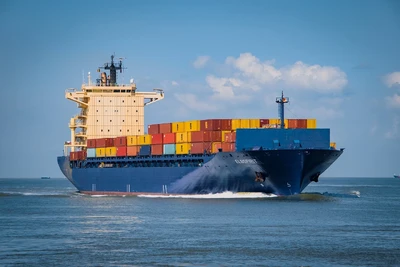 How a Misprinted Invoice Made Me Rethink China-UK Shipping (And Saved My Business £27k)April 7, 2025Bristol importer spills the tea on cutting logistics chaos - from customs meltdowns to courier cons. CUCFreight's unorthodox hacks inside.view
 How to Ship from China to Europe Faster? Temu's Secret (& Your Solution)April 27, 2025With European orders from China surging—France saw a 125% YoY increase, and Temu now delivers 80% of orders in 3-5 days—procurement teams face a critical question: How can your business match Temu’s logistics speed without their billion-dollar budget?At CUC Freight, we’ve reverse-engineered Temu’s success to create scalable solutions for businesses of all sizes. Here’s how they did it, and how you can too.view
 What Is an Export Declaration?September 28, 2025An Export Declaration is an official document required by customs authorities to provide details about goods being shipped out of a country. It ensures compliance with trade regulations, helps governm...view
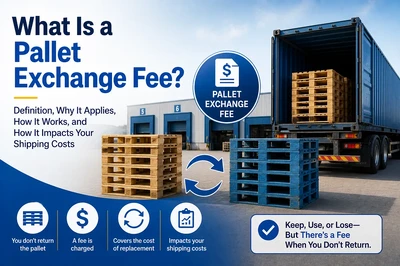 What Is a Pallet Exchange Fee?May 6, 2026A Pallet Exchange Fee is a logistics charge applied when shipping pallets are not returned, exchanged, or transferred according to an agreed pallet exchange program between shippers, carriers, warehou...view
 English
 português
 Call us on:
 Email Us:
 International Mayors Exchange Center, No. 55 Shizhou Middle Rd, Nanshan District, Shenzhen Guangdong China

