

For businesses considering Shipping From China To Australia, container shipping costs in 2026 remain relatively competitive compared with North America and Europe routes—but pricing is still highly dependent on shipment size, port pair, cargo type, and local charges.
In most cases, importers shipping a 20ft container (20GP) from China to Australia can expect rates ranging roughly between USD $1,000–$2,300, while 40ft containers (40GP/40HQ) typically range from USD $2,000–$3,500+ depending on origin port, destination, seasonality, and carrier availability. LCL (Less than Container Load) shipping often starts around USD $80–$180+ per CBM, though destination charges can significantly affect the final cost.
The important point for importers is this:
The ocean freight quote is only one part of the total landed cost.
Australian local port fees, customs clearance, biosecurity inspection, trucking, and seasonal surcharges often affect final costs more than expected.
The following table reflects realistic market ranges for standard commercial cargo.
| Shipping Type | Estimated Cost Range | Best For |
20ft FCL | USD $1,000–$2,300 | Heavy cargo, medium inventory |
40ft FCL | USD $2,000–$3,500+ | Bulk shipments, larger importers |
LCL (Per CBM) | USD $80–$180+ | Smaller shipments |
Air Freight | USD $3–$8/kg | Urgent cargo |
Express Shipping | Higher premium | Samples & urgent deliveries |
Rates fluctuate based on market demand, bunker fuel adjustments, carrier capacity, and port congestion. Australia routes remain more stable than Europe or U.S. lanes, but seasonal spikes still occur.
Many importers focus only on container price, but the better decision depends on cargo density, volume, and landed cost per unit.
A 20ft container generally suits:
Heavy products
Machinery
Metal products
Dense industrial cargo
Medium-volume imports
Typical capacity:
Around 28–33 CBM
Payload often exceeds 25 tons
A 40ft container works best for:
Furniture
Consumer goods
E-commerce inventory
Bulky but lightweight products
Typical capacity:
Around 58–68 CBM
Better freight efficiency per cubic meter
| Factor | 20ft Container | 40ft Container |
Freight Cost | Lower absolute cost | Higher total cost |
Cost Per CBM | Usually higher | Usually lower |
Heavy Cargo | Better choice | Weight-limited |
Bulky Cargo | Limited space | Better efficiency |
Best For | Industrial cargo | Volume-based imports |
In many cases, upgrading from 20ft to 40ft becomes economically attractive once shipment volume increases.
One of the most common questions from importers doing Shipping From China To Australia is whether to choose FCL or LCL.
The answer depends on cargo volume.
FCL (Full Container Load) means your cargo occupies an entire container.
You pay for:
One dedicated container
Faster handling
Reduced cargo mixing risk
LCL (Less than Container Load) means your cargo shares container space with other shipments.
You pay based on:
Cubic meter (CBM)
Cargo dimensions
Consolidation handling
| Factor | FCL | LCL |
Cost Structure | Per container | Per CBM |
Best Volume | 14–15+ CBM | Under 12 CBM |
Transit Speed | Faster | Slightly slower |
Cargo Handling Risk | Lower | Higher |
Customs Handling | Simpler | More consolidation fees |
For many importers, LCL works well below 10–12 CBM, but once cargo exceeds 14–15 CBM, FCL often becomes cheaper overall.
Ocean freight pricing is rarely fixed.
Several major variables influence your quote.
Freight cost varies depending on departure city.
Major ports include:
Shanghai
Ningbo
Shenzhen
Guangzhou
Qingdao
Xiamen
Tianjin
Southern China routes often provide strong Australia connectivity.
Major Australian ports include:
Sydney
Melbourne
Brisbane
Fremantle (Perth)
Adelaide
Western Australia destinations generally cost more due to inland logistics and lower shipping frequency.
Expect higher costs during:
August–November
Chinese New Year buildup
Pre-Christmas inventory season
Container shortages can push rates significantly higher.
Rates differ for:
General cargo
Batteries
Dangerous goods
Oversized cargo
Temperature-sensitive products
Special handling requirements increase cost.
Many first-time importers overlook this.
Your freight quote may not include:
Terminal handling charges
Customs clearance
AQIS inspection
Quarantine fees
Local trucking
Storage fees
Australia has strict biosecurity rules, making inspection-related costs relatively common.
Transit time depends on service type and route.
| Shipping Method | Transit Time |
Express Courier | 3–7 Days |
Air Freight | 5–10 Days |
LCL Sea Freight | 20–35 Days |
FCL Sea Freight | 16–30 Days |
Sydney and Melbourne usually receive the fastest sailings from major Chinese ports.
Customs and inspection delays can extend timelines.
The cheapest option depends on cargo volume.
Choose:
LCL shipping
Why?
No need to pay for a full container
Better upfront cash flow
Ideal for test orders
Compare:
LCL vs 20ft FCL
This is often the break-even point.
Choose:
40ft FCL
Because the cost per CBM usually becomes much lower.
Many buyers compare only ocean freight rates.
That creates budgeting surprises.
| Cost Category | Common Impact |
Customs Clearance | Mandatory |
Port Handling | Often excluded |
Quarantine Inspection | Frequent in Australia |
Local Trucking | Varies by city |
Storage Charges | Possible if delayed |
Documentation Fees | Common |
The cheapest freight quote is not always the lowest total landed cost.
This decision affects cost visibility and shipping control.
Better for experienced importers because:
More carrier flexibility
Better cost transparency
Easier freight comparison
Suitable for newer importers because:
Simpler process
Supplier arranges shipping
However, CIF sometimes includes less transparent destination charges.
For frequent Shipping From China To Australia, many established importers eventually move toward FOB.
Larger shipments reduce per-unit freight cost.
Booking early prevents rate spikes.
Do not assume LCL is always cheaper.
Reducing wasted CBM lowers shipping costs.
Sometimes changing destination port reduces total inland logistics cost.
In 2026, most commercial routes range between USD $1,000–$2,300, depending on season, route, and carrier availability.
A 40ft container typically ranges from USD $2,000–$3,500+ for major Australia ports.
Usually yes—once shipment volume exceeds around 14–15 CBM.
Most shipments arrive within 16–35 days, depending on routing and customs clearance.
LCL: smaller shipments
20ft FCL: heavier cargo
40ft FCL: large inventory and lower cost per unit
Container shipping costs between China and Australia remain relatively attractive in 2026, but freight pricing alone should never determine your decision.
The most successful importers evaluate:
Container size, shipment volume, customs cost, transit time, destination charges, and long-term logistics efficiency.
For businesses involved in Shipping From China To Australia, the right shipping strategy often saves far more money than simply chasing the lowest freight quote.
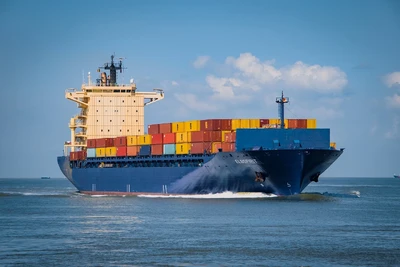 How a Misprinted Invoice Made Me Rethink China-UK Shipping (And Saved My Business £27k)April 7, 2025Bristol importer spills the tea on cutting logistics chaos - from customs meltdowns to courier cons. CUCFreight's unorthodox hacks inside.view
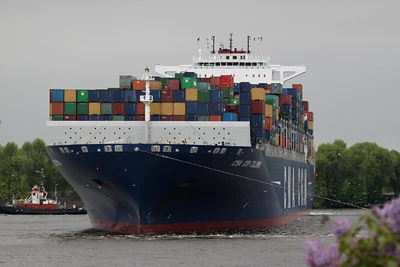 Shipping Rates Surge Less Than 24 Hours After Tariff Cuts AnnouncedMay 14, 2025Based on recent market feedback, on May 12, 2025, the governments of China and the United States reached an agreement to mutually reduce tariffs, aiming to ease trade tensions. However, major shipping...view
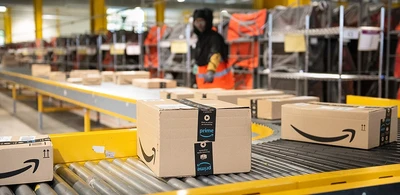 Amazon Europe FBA 2025 Fee Changes: Return Fee Exemption & How CUC Logistics Maximises Seller SavingsMay 6, 2025Global Trade Shifts & European OpportunitiesWhile U.S. trade policies reshape global commerce, savvy businesses are diversifying into Europe’s €470 billion e-commerce market. Amazon Europe’s 20...view
 Customs ExpertiseMarch 27, 2025In the complex landscape of international shipping, customs clearance stands as a critical juncture that can make or break your logistics operations. At CUC Freight our Customs Expertise is the key to...view
 English
 português
 Call us on:
 Email Us:
 International Mayors Exchange Center, No. 55 Shizhou Middle Rd, Nanshan District, Shenzhen Guangdong China

